The Ultimate Guide to the Weather in the Lake District
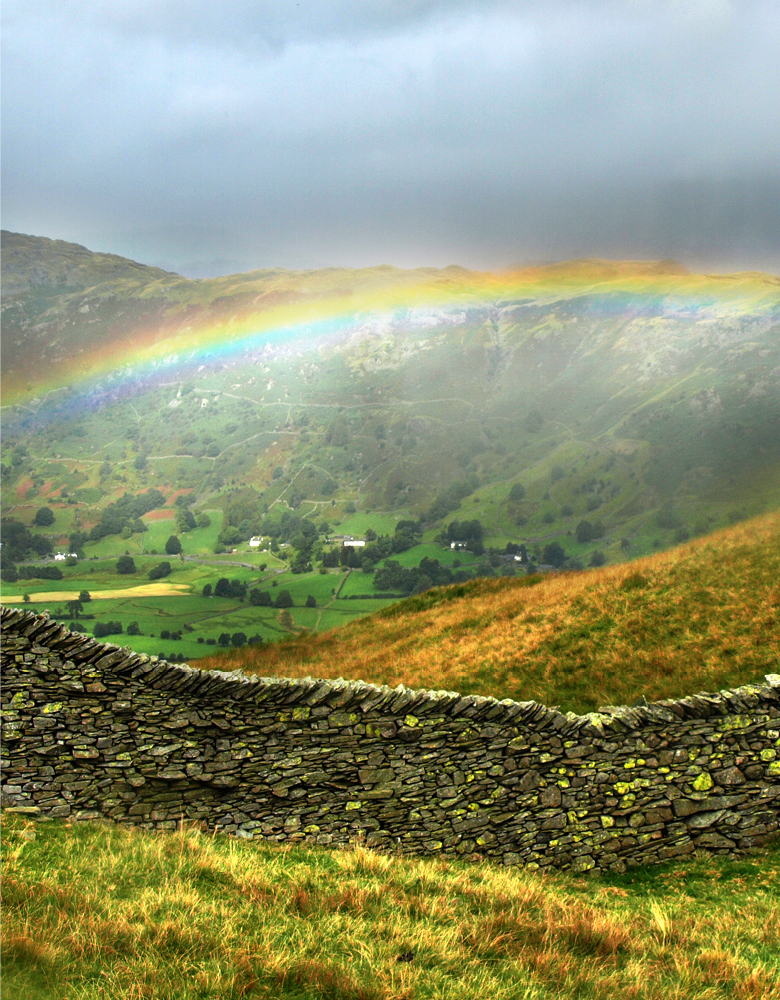
Ullswater, Windermere, Derwentwater: postcard scenery that runs on its own weather system, one that shifts by the hour as often as it does by the season.
Knowing what a Lake District month actually looks like, not what the brochure photos suggest, is what separates a soggy afternoon from a walk you’ll still be talking about at Christmas.
This is Lake District weather by month: seasonal patterns rather than a day-to-day Lake District weather forecast, with what to pack for a Lake District holiday and what to do whatever the sky throws at you.
Lake District Weather at a Glance: Month-by-Month Guide
Rain is possible in any month here, so if you’re after the weather in the Lake District today, a short-range forecast is what you need. This table is the seasonal pattern behind it: which months are drier, warmer, or best suited to a particular kind of trip.
| Month | Avg. Daytime Temp | Rainfall | In a Word |
| January | 5°C | High (~20 rainy days) | Cold, wet, atmospheric. Good for cosy pub days and short walks. Pack thermals. |
| February | 5°C | Low (~15 rainy days) | Best chance of snow on the fells, with daylight starting to lengthen. |
| March | 7°C | Moderate (~18 rainy days) | Unpredictable. Layer up for sunshine, showers and the odd hailstorm. |
| April | 10°C | Low (~15 rainy days) | Warming up and drying out. Good for walking; pack a light waterproof. |
| May | 13°C | Moderate (~16 rainy days) | The driest month on average. Ideal for fell walking and lake days. |
| June | 16°C | Low (~15 rainy days) | Long daylight hours and settled spells. Warm days, cool evenings. |
| July | 17°C | Low (~15 rainy days) | Peak summer warmth. Light layers by day, a jacket for the evening. |
| August | 17°C | Moderate (~17 rainy days) | Warmest month alongside July, but showers return. Pack sun cream and a mac. |
| September | 14°C | Moderate (~18 rainy days) | Early autumn colour starts. Layer up as rain picks up again. |
| October | 12°C | High (~20 rainy days) | Best autumn colour, but the wettest month of the year on average. |
| November | 7°C | High (~19 rainy days) | Cold, wet and quiet. Good for a cosy break with fewer crowds. |
| December | 5°C | High (~19 rainy days) | Frosty and atmospheric. Wrap up warm for festive lake walks. |
Weather in the Lake District: Spring
Lake District weather in spring is the most unpredictable of the year. March can deliver sunshine, showers and the odd hailstorm inside the same afternoon; by May, the district settles into some of its driest, brightest weeks of the year.
What to wear in the Lake District comes down to layers in every season. Here’s exactly what that means, month by month, starting with spring.
- March: 5–8°C by day, 1–3°C overnight. Still a winter-coat month.
- April: 7–10°C by day. The weather starts to turn, though a waterproof stays essential.
- May: 11–16°C by day, and the driest month of the year on average.
What to Pack for the Lake District in Spring
- Layers: t-shirts, long-sleeved tops and a fleece or knit, so you can adjust through the day.
- A proper waterproof jacket: spring showers arrive with little warning.
- Sturdy boots or wellies: the ground stays soft well into April
Best Things to Do in the Lake District in Spring
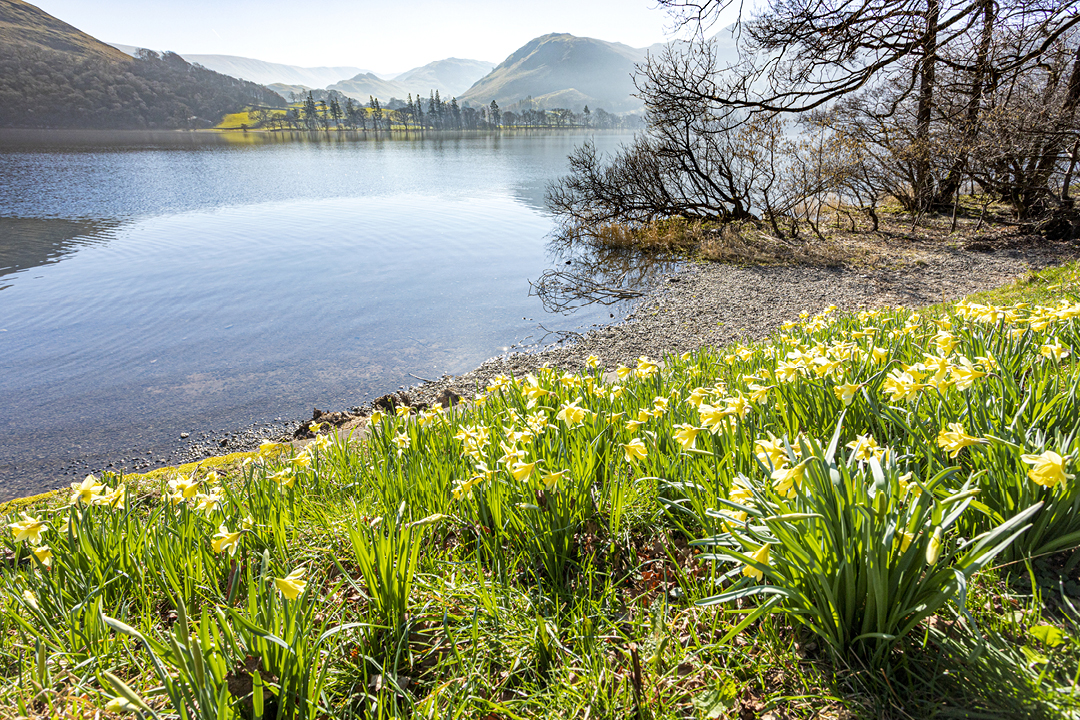
As for things to do, the Lake District in spring is like a giant playground just waiting to be explored. Lace-up those walking boots and hit the trails, where you’ll be treated to breathtaking views of blooming wildflowers and babbling brooks.
Catbells is one of the most iconic fells in the Lake District, offering stunning views of Derwentwater and the surrounding mountains. This relatively short but steep hike is perfect for all abilities and offers rewarding panoramic views from the summit. It’s one of several routes in our guide to the best walks in the Lake District.
Buttermere Circuit is another favourite trail to embark on when visiting the Lake District in spring. This circular route takes you around the picturesque lake of Buttermere, passing through tranquil woodlands, along the shores of the lake, and offering fantastic views of the surrounding fells.
You could join in on the festivities at outdoor events like the Keswick Mountain Festival, where you can soak up the lively atmosphere while enjoying live music, food stalls, and outdoor activities for all ages. Or you could get in on the seasonal fun with events like the Wordsworth Easter Trail, where you can follow in the footsteps of the region’s most famous poet while hunting for Easter eggs.
Whatever you choose, one thing’s for sure: the Lake District in spring is a magical experience you won’t soon forget.
Lake District Weather in Summer: What to Expect
Summer is when the Lake District earns its reputation for long light evenings, warm afternoons and the busiest car parks of the year.
- June: 13–17°C by day, around 10°C overnight, either side of the longest days.
- July: 14–18°C by day, 10–14°C overnight.
- August: up to 22°C on a good day with cooler 11–15°C nights. The warmest month on record highs, though also one of the wetter summer months.
What to Pack for the Lake District in Summer
- Light, breathable layers: cotton shirts, shorts or a sundress for warm afternoons.
- A packable rain layer: even August has its share of showers.
- Sun cream and a hat: UV levels catch people out on the fells.
Best Summer Activities in the Lake District
The Lake District truly comes alive in the summertime. If you’re looking for things to do, consider taking to the water. Visitors can go boating, paddleboarding or canoeing around one of the many picturesque lakes, where you can row your way through shimmering waters surrounded by verdant hillsides.
If you’re feeling brave, you may want to dive headfirst into the waters and go wild swimming. There are several designated spaces for this, offering a unique way to experience the beauty of the landscape.
There are also plenty of festivals for you to choose from, allowing you to make the most out of the weather in the Lake District in summer. Cartmel Races, held at Cartmel Racecourse, is a beloved tradition in the Lake District. Visitors can enjoy a day at the races, complete with thrilling equestrian action, family-friendly entertainment, and delicious food and drink from local vendors.
Pack a picnic and head out to the countryside for a leisurely lunch al fresco, or rent a bike and explore the Lake District’s stunning scenery on two wheels. You can also keep your eyes peeled on a leisurely stroll for sightings of red deer, otters, and rare bird species that call the Lake District home. Several of our things to do in the Lake District for couples are built around exactly this kind of evening. With the weather in the Lake District at its finest during the summer months, the options for outdoor adventures are endless.
Is Autumn a Good Time for Lake District Weather?
Yes: Lake District weather in autumn brings the district’s best colour, cooler air and noticeably quieter fells, if you don’t mind the rain arriving more often than it leaves.
- September: 10–15°C by day, 8–11°C overnight, and a gentle continuation of summer in most years.
- October: 8–12°C by day, 4–7°C overnight, and on average the wettest month of the year.
- November: 5–9°C by day, 2–4°C overnight, with the first proper frosts.
What to Pack for the Lake District in Autumn
- Waterproof layers: a proper jacket and trousers, not just a showerproof coat.
- Warm mid-layers: fleece or wool, since evenings cool quickly once the clocks change.
- Waterproof boots with good grip: paths get slippery under fallen leaves.
Autumn Wildlife and Highlights in the Lake District
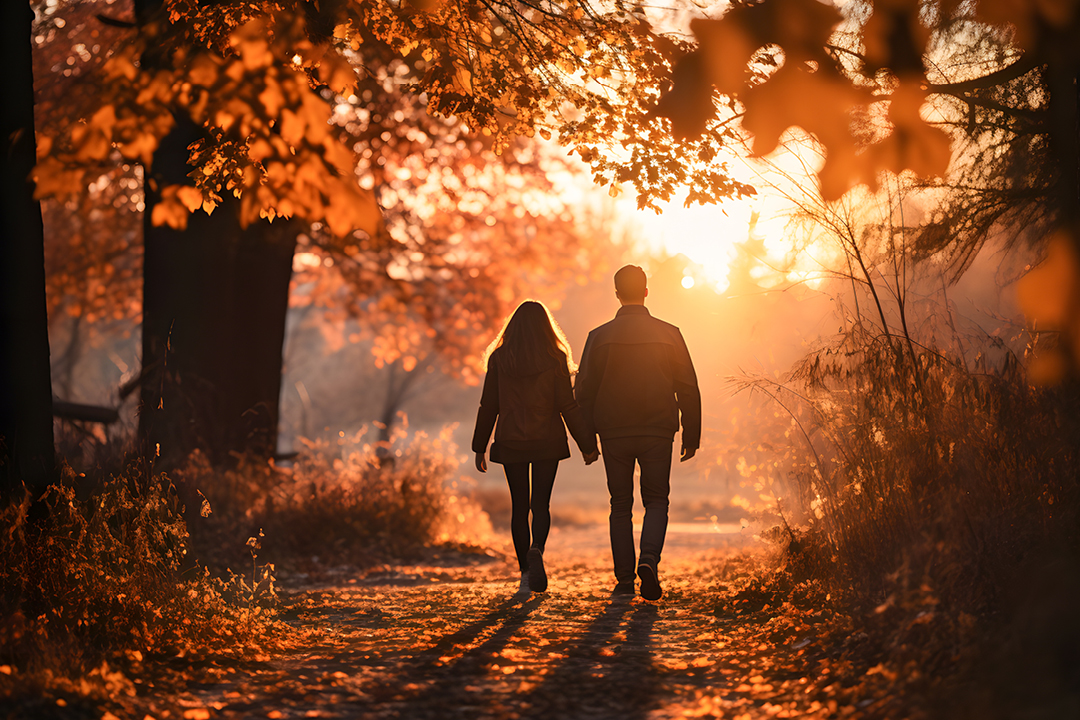
The Lake District in autumn is arguably one of the most magical times to explore. Throw on your favourite pair of hiking boots and hit the many walking trails to witness the breathtaking spectacle of autumn colours blanketing the landscape in shades of red, orange, and gold. It’s also peak season for Lake District wildlife spotting, especially red squirrels and birdwatching, which we cover in more depth in our Lake District wildlife guide. It’s also prime time for the district’s best colour, the full detail of which is in our guide to autumn in the Lake District.
Autumn is also a great time to visit the Lake District’s historic sites and immerse yourself in the region’s cultural heritage. Located near Keswick, Castlerigg Stone Circle is one of the most impressive prehistoric monuments in the Lake District. Dating back to the Neolithic period, this ancient stone circle offers stunning views of the surrounding mountains and is thought to have been used for rituals and ceremonies.
Wray Castle, a Victorian Gothic-style mansion that dates back to the 19th century, is another cultural gem not to be missed on a visit to the Lake District in autumn. While the castle itself is relatively modern compared to other historical sites in the region, it offers a fascinating glimpse into the lives of the Victorian gentry and features beautiful grounds to explore.
Lake District Weather in Winter: What to Expect
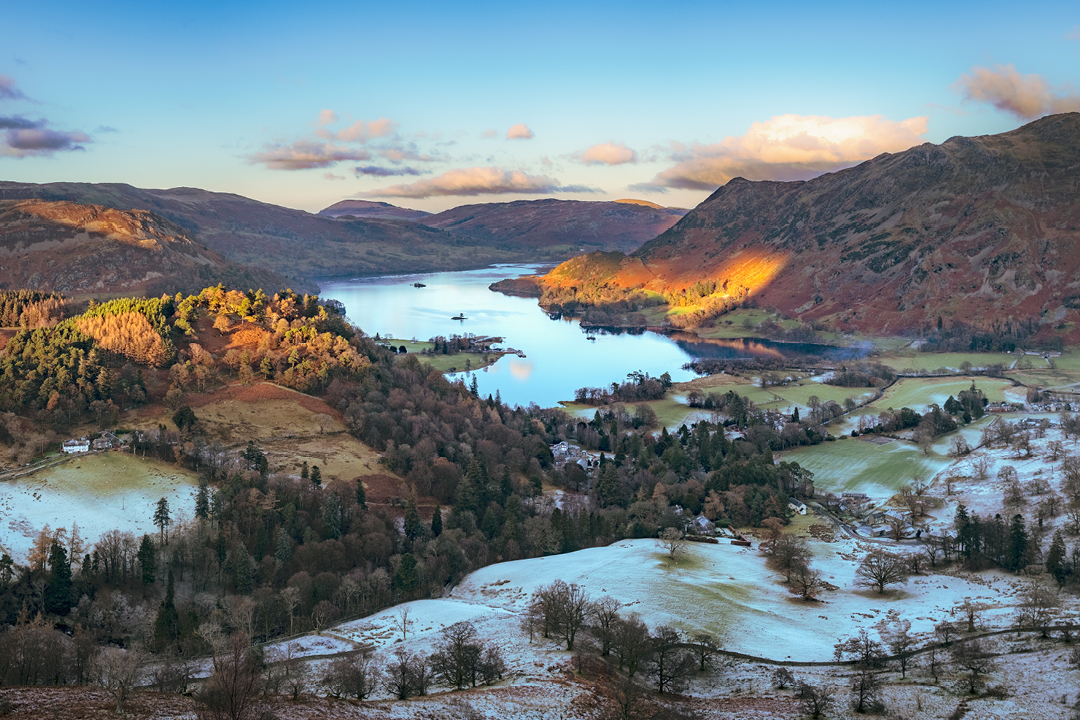
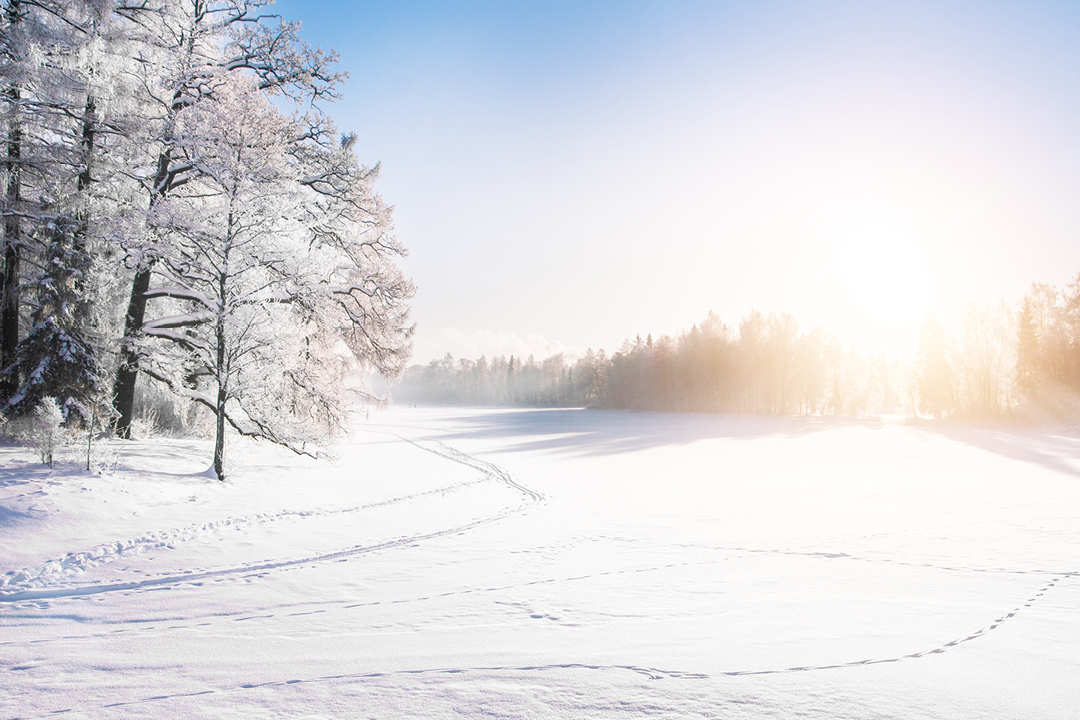
Winter turns the Lake District into a genuinely different place: quieter, colder, and at its best when the fells hold snow.
- December: 3–6°C by day, 1–3°C overnight.
- January: 2–5°C by day, as low as -1°C overnight.
- February: similar to January, and usually the best month for snow on higher ground.
What to Pack for the Lake District in Winter
- Thermal base layers: the foundation for everything else.
- A wool sweater and a proper waterproof jacket: the two do different jobs, and you need both.
- Gloves, a scarf and a warm hat: wind chill on the fells is sharper than the valley temperature suggests.
- Sturdy, grippy footwear: ice and mud both show up in the same week.
Best Winter Activities in the Lake District
When it comes to things to do, the Lake District in winter offers a wealth of activities to suit every taste and interest. Strap on your skis or snowboard and hit the slopes at one of the region’s ski clubs, where you can carve through fresh powder and soak up breathtaking mountain views.
Alternatively, get wrapped up and embark on a winter walk through the snow-dusted countryside, where you can enjoy the tranquillity of the landscape without the crowds of other seasons.
Of course, no winter visit to the Lake District would be complete without cosying up in a traditional pub, where you can warm up by the fire with a hearty meal and a pint of locally brewed ale.
Our full guide to the Lake District in winter goes into the season in more depth, and if the forecast turns against you, our round-up of all-weather activities covers what to do when it’s raining. With its stunning scenery and array of winter activities, the Lake District is the perfect destination for a magical winter getaway.
What Is the Best Time of Year to Visit the Lake District?
There’s no single right answer. It depends on what you want from the trip.
- For reliably drier weather: May and June are the driest months on average, which makes them the best time to visit the Lake District for walking.
- For warmth: July and August are the warmest, though also busier and slightly wetter than June.
- For scenery: October’s autumn colour is hard to beat, rain aside.
- For quiet: November to February brings the fewest visitors and the best rates.
Whichever month you choose, our Ullswater Heights holidays put you within reach of the district’s best walking and water, with a private hot tub waiting for whatever the sky does. It’s one of the most popular Lake District holiday breaks for exactly that reason.
Summary
The weather in the Lake District paints a diverse and dynamic picture throughout the seasons. From the vibrant blooms of spring to the snowy landscapes of winter, there’s never a dull moment in this captivating region.
Whether you’re a fan of hiking, boating, or simply soaking in the scenery, there’s something for everyone to enjoy no matter the weather in the Lake District. So why not plan a visit during different times of the year to experience the ever-changing beauty of this breathtaking destination? And remember, no matter the weather, be sure to pack accordingly and embrace the adventure that awaits in this stunning corner of the UK.
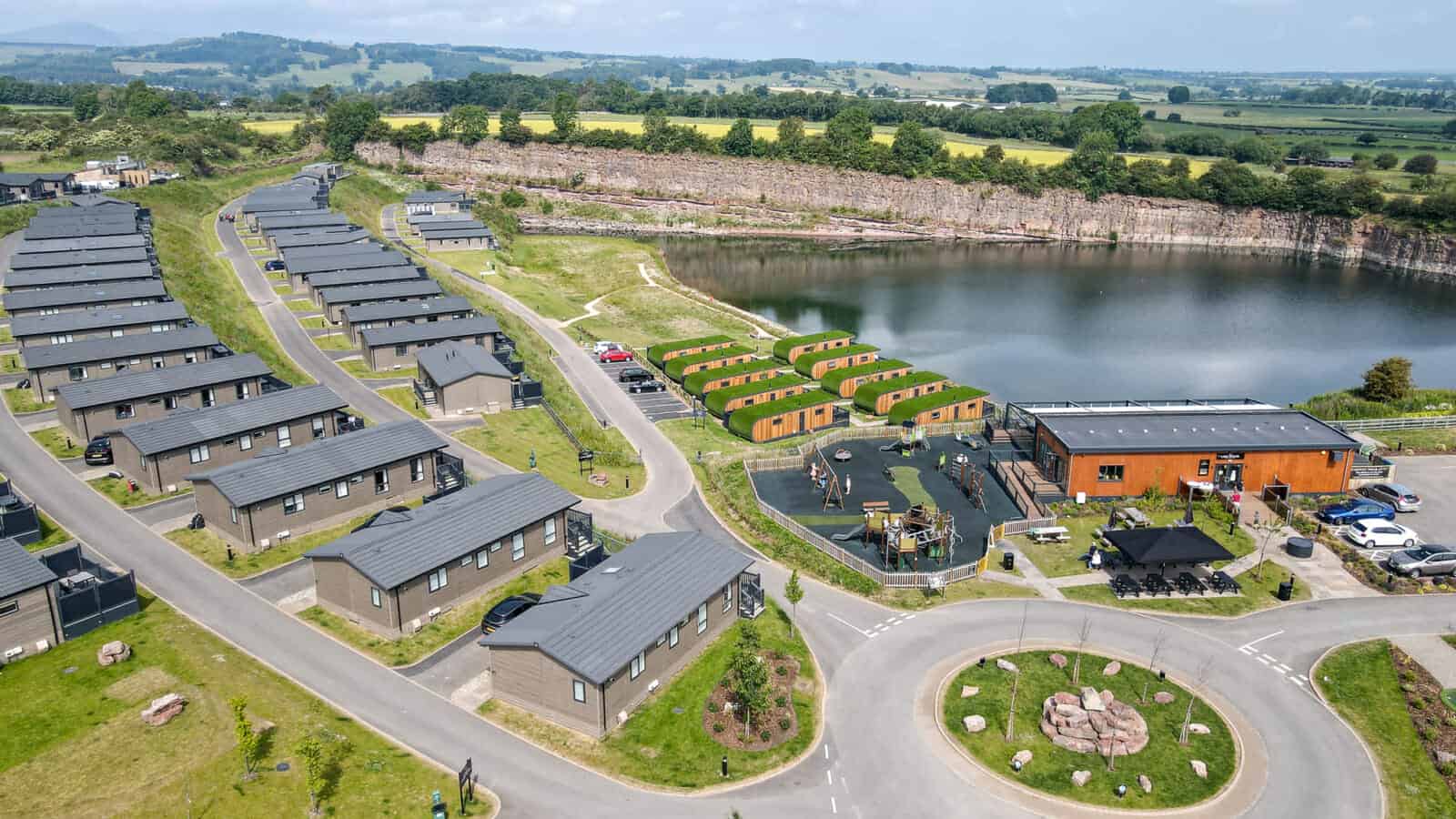
Looking for places to stay during your visit to the Lake District? Leisure Resorts has a fantastic selection of luxury holiday lodges, pods, and glamping tents in the Lake District at our award-winning Ullswater Heights Park.
With the lakes and mountains on your doorstep, this pet-friendly holiday park is the perfect destination to enjoy a retreat to the countryside with friends and family. What better place to indulge in a wellness retreat than in the heart of the Lake District?
Lake District Weather FAQs
Does it rain every day in the Lake District?
No. But does it rain a lot in the Lake District compared with lowland England? Yes, on somewhere between 15 and 20 days in an average month. Wetter months (October, January and December) see rain more often than drier ones (April, June and July), but no month is entirely rain-free.
What is the warmest month in the Lake District?
July and August are the warmest months on average, with average daytime highs around 17°C and occasional days climbing into the low twenties.
What is the wettest month in the Lake District?
October is the wettest month on average, closely followed by January and December, when rainfall regularly tops 300mm for the month.
Is the Lake District colder than the rest of England?
It runs a little cooler and considerably wetter than lowland England, mainly because of its hills. Valley temperatures are broadly similar to the rest of northern England, but the higher fells can be several degrees colder and far more exposed to wind and rain.
What should I pack for a Lake District holiday?
Pack for layers whatever the month. A waterproof jacket and sturdy, grippy footwear are essential year-round, with warmer thermal layers needed from October to March and lighter, breathable clothing from June to August.